Understanding the Fly Fishing Kit
For both seasoned anglers and novices alike, a comprehensive fly fishing kit serves as a foundational element that determines the success and enjoyment of the fishing experience. A good kit not only provides the necessary equipment but also empowers one’s skill set, enabling anglers to connect deeply with this tranquil yet thrilling sport. Let’s delve into the essential components of a fly fishing kit, ensuring that you make informed choices for your next outdoor adventure.
What’s Included in a Fly Fishing Kit?
When investing in a fly fishing kit, you’ll find that they typically come complete with the primary essentials needed to get started. While specific offerings can vary by brand and package, the following components are standard in most kits:
- Fly Rod: Usually made of graphite or fiberglass, this is the core component. The rod’s length, weight, and action affect casting distance and line presentation.
- Fly Reel: This is the device that holds the fishing line. It’s crucial for managing the line and for dragging the fish in once you’ve caught it.
- Fly Line: A specialized line designed to float, sink, or do both, depending on the type of fishing you engage in.
- Leader Line: Attached to the fly line, the leader is a thinner line that enhances stealth and helps in smooth presentations.
- Flies: The bait used in fly fishing, which mimics the appearance and behavior of prey. Kits usually include a variety of flies suitable for different fishing conditions.
- Backing Line: A strong line that sits beneath the main fly line, providing additional length when a fish makes a long run.
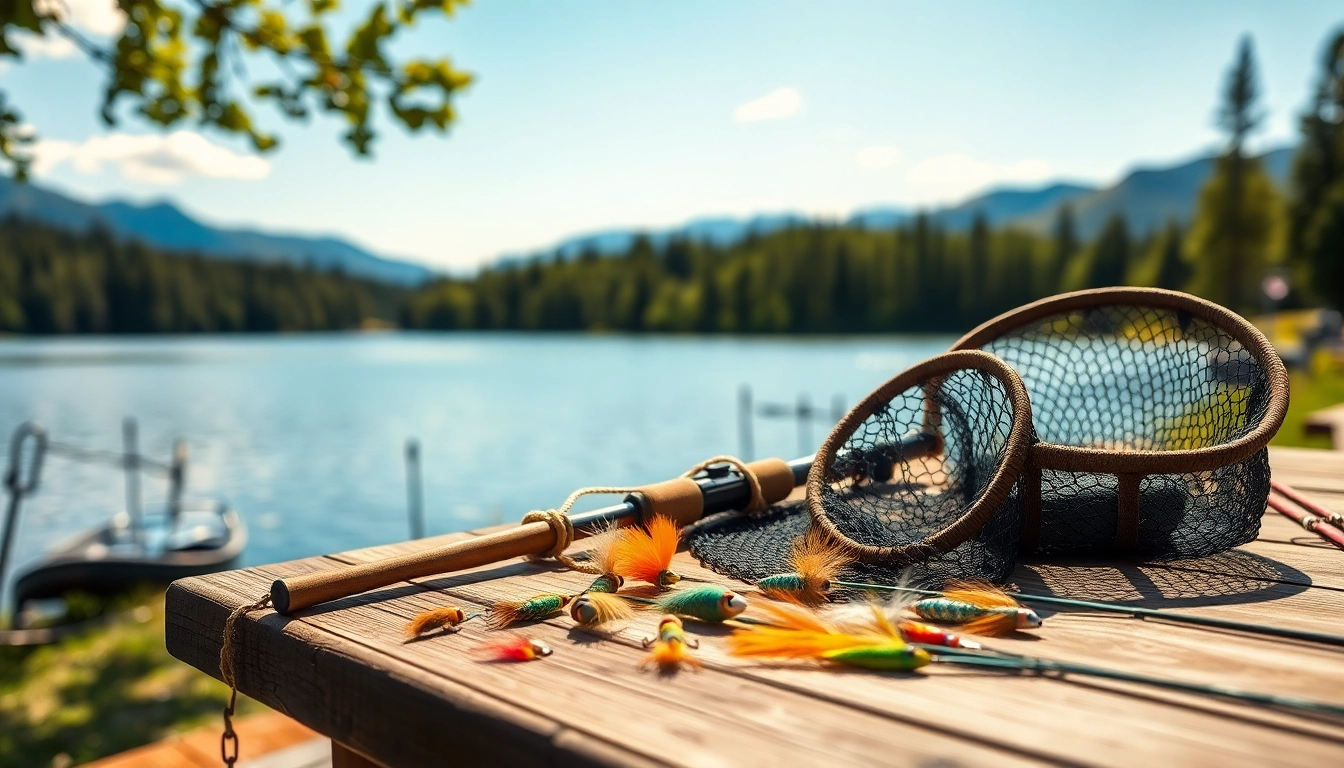
- Accessories: These may include tippet material, a fly box for storage, a good-quality fishing net, and sometimes personal care items like sunglasses and hats.
Choosing the Right Fly Reel and Rod
Selecting the right rod and reel for your fly fishing kit can dramatically influence your fishing effectiveness and comfort level. Here are some considerations:
- Rod Length: Longer rods allow for longer casts but can be cumbersome in tight spaces. Conversely, shorter rods are perfect for smaller rivers and streams.
- Weight of the Rod: This is critical—lightweight rods are best for smaller fish, while heavier rods are more suitable for larger catches.
- Reel Type: Choose between a single-action or multipliers reel, depending on your comfort with varying levels of mechanical complexity.
- Material & Build Quality: Graphite rods are lightweight and extremely sensitive, while fiberglass rods are more durable and suitable for beginners.
Test the weight and action of the rod in-person if possible, ensuring comfort and compatibility with your fishing style.
Essential Accessories for Optimal Performance
In addition to the main equipment, accessories greatly enhance your fly fishing experience. Some critical accessories include:
- Fly Box: Essential for organizing and protecting your flies, often waterproof.
- Tippet Material: A thin line that connects the fly to the leader, impacting presentation.
- Landing Net: Used for easily retrieving fish while minimizing stress and harm.
These accessories not only improve efficiency but also bolster your overall experience, making fishing more accessible and rewarding.
Benefits of Using a Complete Fly Fishing Kit
Embracing a complete fly fishing kit comes with several advantages, particularly for newcomers or those looking to upgrade their gear.
Why Beginners Should Invest in a Good Kit
For beginners, investing in a quality fly fishing kit provides a substantial advantage. These kits simplify the process of entering the sport, providing everything required for fishing success in one bundled offering. Beginners benefit from:
- Ease of Use: All components are designed to work together seamlessly without the need for additional purchases.
- Cost Efficiency: Purchasing a kit is generally less expensive than buying every component separately, especially when starting.
- Quality Assurance: Many kits include items from reputable manufacturers, ensuring durability and performance.
Enhancing Fishing Experience with Quality Gear
A well-crafted fly fishing kit enhances the overall fishing experience. Quality gear not only performs better but also instills confidence in the angler. The right equipment improves:
- Distance and Accuracy: Quality rods and reels enhance your casting techniques.
- Catch Rates: A well-equipped kit increases the likelihood of successful catches, as the right gear can better match local fish preferences.
- Comfort: Well-designed rods and handles minimize strain and fatigue during long fishing sessions.
Cost-Effectiveness of Buying Kits vs. Individual Items
From a financial perspective, bundles often save money. Investing in a complete fly fishing kit usually circumvents the pitfalls of purchasing individual components at inflated prices. Here are some key reasons to consider a kit:
- Bundle Discounts: Brands frequently provide a reduced rate for complete kits compared to individual purchases.
- Eliminating Guesswork: Purchasing individual items can lead to mismatched components, forcing unplanned additional expenses.
Making an informed decision about a fly fishing kit can lead to substantial savings in the long run.
Innovative Features in Modern Fly Fishing Kits
The fishing industry continually evolves, bringing innovation and technological advancements aimed at elevating the fishing experience. Modern kits are often equipped with several features that set them apart:
Technological Advances in Fishing Gear
Look for cutting-edge materials and designs that enhance fishing capabilities:
- Sporting Electronics: Some kits come with smart technology designed to analyze weather conditions and track fish movements.
- Improved Line Management: Modern reels often feature mechanisms that prevent line tangles, which is a frequent frustration for anglers.
Ergonomic Designs for Easy Handling
The design of fishing gear significantly influences usability, particularly during extended outings. Many kits embrace:
- Lightweight Materials: This minimizes fatigue and enhances comfort.
- Sleek Handles: Ergonomically designed handles protect against strain and provide better grip.
Durability and Weather Resistance
Today’s fly fishing kits often feature enhanced durability and weather-resistant capabilities:
- Corrosion-Resistant Materials: Components are designed to withstand harsh environmental elements.
- Protective Finishes: Many reels and rods come with protective coatings, ensuring longevity and performance over time.
How to Select the Perfect Fly Fishing Kit for You
Choosing the right fly fishing kit involves careful thought and consideration. Here are some practical steps to help guide your decision:
Assessing Your Skill Level and Fishing Style
Your skill level and preferred fishing style play crucial roles in choosing a kit. Beginners may prefer kits that emphasize ease of use, while advanced anglers require advanced gear that matches their expertise. Consider:
- Beginner Kits: Basic rods and reels with intuitive designs enhance learning experiences.
- Advanced Kits: These often include high-end items tailored to specialized fishing techniques.
Reading Customer Reviews and Ratings
Customer feedback is invaluable when sifting through options. Pay attention to reviews that highlight:
- Performance Insights: Look for commentary on how the kit handles under various conditions.
- Durability and Usage Experiences: Understanding how long products in the kit last can help inform your purchase.
Testing Kits in Real Fishing Conditions
Whenever possible, testing your desired kit in real fishing conditions is worthwhile. Many retailers offer demo days or rental opportunities, allowing you to:
- Experience the gear firsthand.
- Evaluate comfort levels and ease of use.
This practical approach ensures you invest in gear that aligns with your unique preferences.
Maintaining Your Fly Fishing Kit
To sustain your fly fishing kit’s performance and longevity, proper maintenance is essential. Regular care ensures that your gear serves you well for many seasons to come.
Cleansing and Caring for Your Gear
After every fishing trip, it’s crucial to clean your gear. Here’s how:
- Rinse Your Rod and Reel: Remove any dirt, sand, or saltwater corrosion by rinsing with fresh water.
- Dry Thoroughly: Ensure that all components are completely dry to prevent rust or mold build-up.
- Check Line Integrity: Regularly inspect lines for abrasions and replace as needed.
Storing Your Equipment Properly
Proper storage minimizes damage and preserves gear quality:
- Temperature Control: Store in a temperature-controlled environment away from direct sunlight.
- Use Protection: Utilize rod socks and reel covers to prevent scratches and exposure to dust.
Regular Check-ups for Longevity
Establish a routine to regularly evaluate your kit:
- Inspections: Look for any signs of wear or damage after every few trips.
- Professional Servicing: Consider getting reels serviced by professionals periodically.
Routine maintenance and check-ups can significantly prolong the life and performance of your fly fishing kit.