Introduction to Waterproof Vinyl Flooring
In the ever-evolving world of home design and construction, waterproof vinyl flooring has emerged as a game-changer for homeowners and designers alike. Its combination of aesthetic appeal, durability, and practicality makes it an increasingly popular choice for various settings—from residential areas to commercial spaces. But what exactly is waterproof vinyl flooring, and why has it garnered so much attention in recent years? In this article, we will explore the many facets of waterproof vinyl flooring, from its key features and installation process to maintenance tips and design options.
Understanding Its Appeal
The appeal of waterproof vinyl flooring can largely be attributed to its versatility and resilience. Homeowners looking for a flooring solution that can withstand everyday wear and tear without compromising on style will find this option particularly attractive. Unlike traditional options such as hardwood or tile, waterproof vinyl flooring offers the unique advantage of being completely resistant to moisture, making it suitable for areas prone to spills, splashes, and humidity. Moreover, the technology behind waterproof vinyl has advanced significantly, enabling manufacturers to produce products that mimic the look and feel of real wood, stone, or ceramic.
Key Features and Benefits
- Water Resistance: The primary selling point; it can be installed in kitchens, bathrooms, and basements without worry.
- Durability: Resistant to scratches and dents, ensuring it remains attractive over time.
- Comfort and Warmth: Unlike tile, vinyl flooring is typically warmer underfoot, providing comfort in colder seasons.
- Low Maintenance: Simple cleaning routines often suffice—no need for special treatments or extensive upkeep.
- Variety: Available in numerous designs, colors, and textures to fit any home aesthetic.
Common Misconceptions
Despite its popularity, there are several misconceptions regarding waterproof vinyl flooring that can discourage potential buyers. One common myth is that it is a cheap, low-quality alternative to more traditional materials. However, advancements in manufacturing have led to premium options that provide both aesthetic appeal and advanced functionality. Another misconception is that waterproof vinyl flooring is entirely immune to damage. While it is tough, heavy impacts may still cause issues, so proper care should be taken to maintain its integrity.
Installation Guide for Waterproof Vinyl Flooring
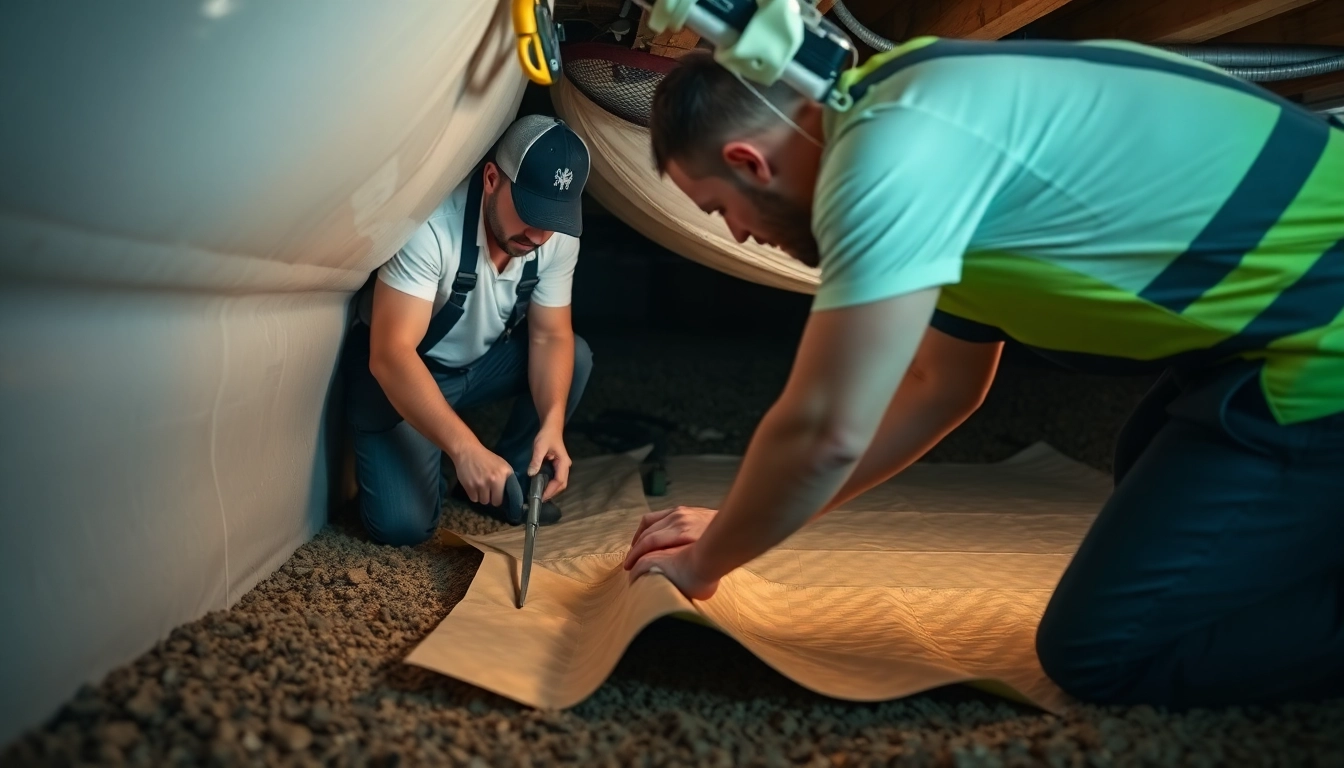
Installing waterproof vinyl flooring can be a rewarding DIY project, provided you have the right tools and know-how. With the proper preparation, even novice DIYers can successfully complete the installation.
Preparation Steps
Before diving into the installation process, preparation is crucial. Start by measuring the space where you plan to install the flooring to determine how much vinyl you’ll need. Ensure that the subfloor is clean, dry, and level. Any imperfections can cause problems down the line. If you’re removing old flooring, understand whether it needs to be completely stripped or whether the new vinyl can be laid over it. You should also acclimate your vinyl planks or tiles by leaving them in the room for 48 hours prior to installation to adjust to the room’s temperature and humidity.
Step-by-Step Installation Process
- Gather your materials: Ensure you have all required items such as vinyl planks, a utility knife, measuring tape, and a straightedge.
- Start laying the flooring: Begin in one corner of the room, working your way outwards. If using planks, click-lock systems are often the easiest to manage.
- Cut and fit: When reaching the edges, use a utility knife to cut pieces to fit, and ensure they are tightly aligned.
- Secure any transitions: Use transition strips where necessary, especially between different types of flooring.
- Final touches: Ensure everything is laid properly, clean the surface, and add any finishing touches like baseboards.
Tools and Materials Needed
Having the right tools can make a significant difference in how smoothly your installation goes. Here’s a list to consider:
- Measuring tape
- Utility knife
- Straightedge
- Eye protection
- Work gloves
- Wood or plastic spacers (for expansion gaps)
Maintenance Tips for Longevity
To ensure that your waterproof vinyl flooring remains in pristine condition, following a regular maintenance routine is crucial. Fortunately, caring for this type of flooring is straightforward and doesn’t require specialized equipment.
Daily Cleaning Regimens
For daily upkeep, a simple sweeping or vacuuming will usually suffice to remove dust and debris. For sticky marks or light stains, using a damp mop with plain water or a mild cleaning solution is effective. Always avoid abrasive cleaners and tools as they can scratch the surface.
Deep Cleaning Methods
Every few months, consider performing a deeper clean. This can involve damp mopping with a specialized vinyl floor cleaner designed to remove grime without damaging the flooring. Pay attention to stubborn stains—spot cleaning with a cloth and designated cleaner can resolve these issues without affecting the surrounding areas.
Preventive Care Best Practices
Prevention is always better than cure. Consider placing mats at entry points to limit dirt tracked into your home. Furniture should have appropriate pads to minimize damage and scratching. Regularly rearranging furniture can also prevent wear patterns from developing in high-traffic zones.
Choosing the Right Style
The aesthetic appeal of waterproof vinyl flooring necessitates attention to design choices. Selecting the style that fits both your personal taste and your space is key.
Design and Color Options
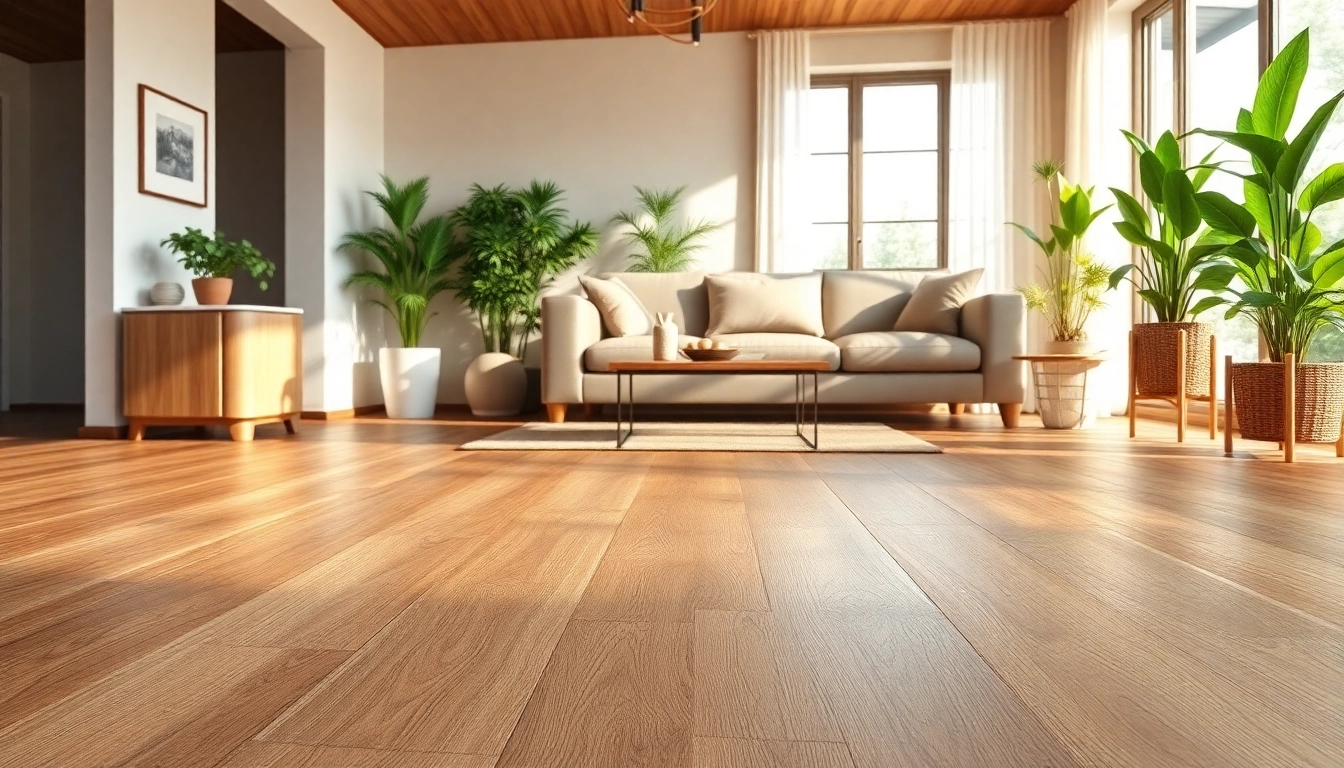
Waterproof vinyl flooring comes in an impressive variety of colors and designs. Whether you’re looking for a rustic wood look, a sleek contemporary finish, or a striking tile effect, there is something to match every style. Offering options that can simulate high-end materials at a fraction of the cost, you can easily create a desired aesthetic without overextending your budget.
Comparing Patterns and Textures
When selecting a style, consider the texture and pattern. Wood-look vinyl with realistic grain patterns can add warmth to a room, while smooth, high-gloss tiles might suit a contemporary bathroom. Textured finishes not only enhance the visual interest but can also provide additional slip resistance, making them practical for areas prone to moisture.
Matching Décor with Waterproof Vinyl Flooring
To create a cohesive design, your selected flooring should harmonize with existing furnishings and wall colors. Neutral flooring can provide a versatile backdrop for bold décor, while opting for brightly colored vinyl may make a statement in a minimalistic room. Always envision the entire space when choosing a design, including how it interacts with other elements in the room.
FAQs about Waterproof Vinyl Flooring
Is waterproof vinyl flooring easy to install?
Yes, waterproof vinyl flooring can be easily installed using peel-and-stick or click-lock systems, making it accessible for DIY enthusiasts
How do I clean waterproof vinyl flooring?
Regular sweeping and occasional mopping with a mild soap solution keeps it looking great without extensive effort.
Can waterproof vinyl flooring be used in bathrooms?
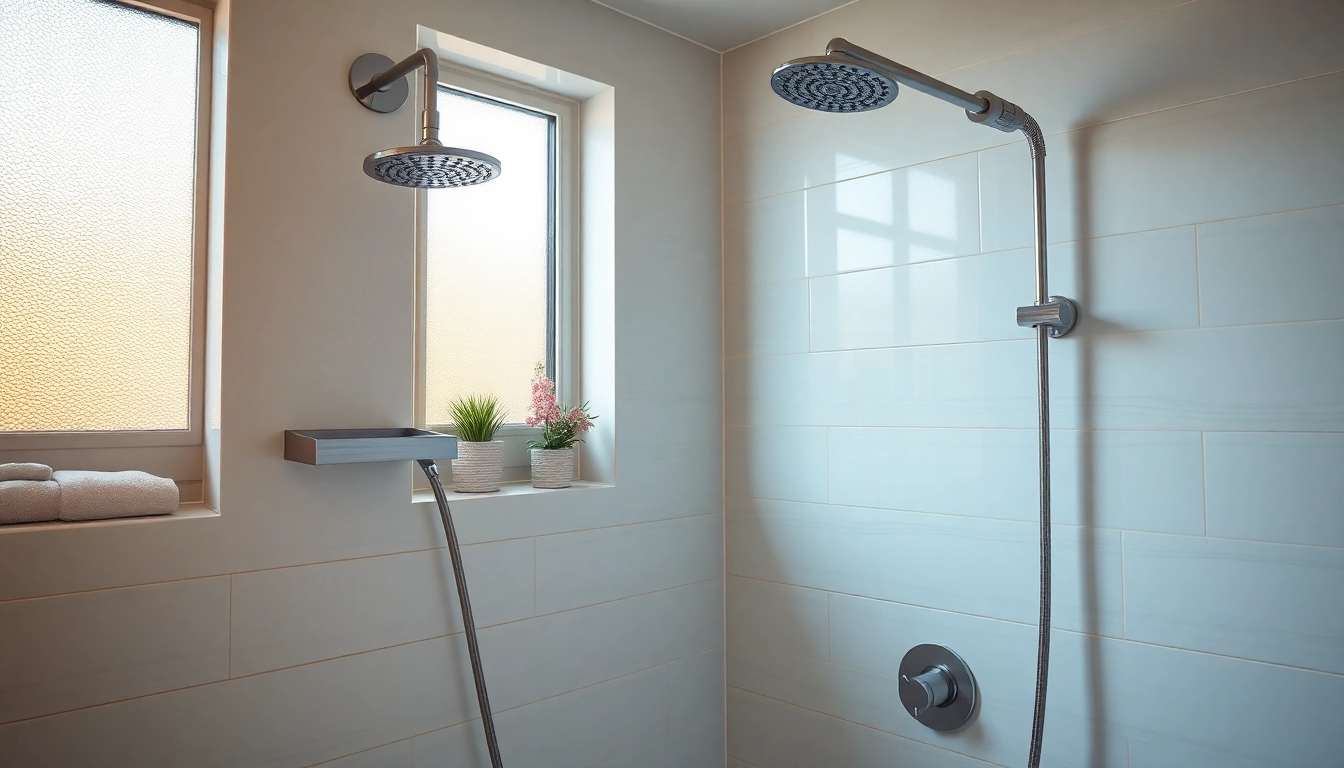
Absolutely! It’s ideal for bathrooms due to its water-resistant properties, making it a smart choice for moisture-prone areas.
What are the lifespan expectations?
With proper care, waterproof vinyl flooring can last between 10 to 25 years, making it a durable long-term flooring choice.
Is it environmentally friendly?
Many brands offer eco-friendly waterproof vinyl flooring made with recycled materials and sustainable processes, appealing to eco-conscious consumers.