The Origins of Tempranillo
Historical Context
Tempranillo, often regarded as the flagship varietal of Spain, has a rich history that dates back centuries. Its name, derived from the Spanish word "temprano" which means "early," references the grape's early ripening characteristics. Evidence suggests that Tempranillo has been cultivated in the Iberian Peninsula since at least the 12th century. It is believed that after the Reconquista, the cultivation of this grape was influenced by historical trade routes, where it came into contact with various viticultural practices. Today, Tempranillo's deep-rooted history makes it a symbol of Spanish viticulture, embodying both tradition and innovation.
Regions of Cultivation
Primarily grown in Spain, Tempranillo thrives in various regions that exhibit distinct terroirs. The most acclaimed region for Tempranillo is La Rioja, known for its rich, full-bodied wines. Other notable regions include Ribera del Duero, where the high elevation contributes to profound flavor concentration, and Navarra, which presents a more fresh and fruity style. Additionally, its adaptability has led to successful plantings in California, Texas, and even parts of South America. Each region brings its unique characteristics to the Tempranillo wines, ranging from bold and oaky to fresher, fruit-driven profiles.
Flavor Profile Characteristics
The flavor profile of Tempranillo is as diverse as the regions it is cultivated in. Typically, Tempranillo wines are characterized by a smooth, medium to full body, often boasting flavors of cherry, plum, and muted tannins. Notes of leather, tobacco, and vanilla can also emerge, especially in aged varieties. Its acidity is balanced yet vibrant, making it food-friendly. As the wine ages, it develops complex layers of flavor, adding cedar and earthy undertones that appeal to seasoned wine drinkers. Understanding these profiles is crucial for appreciating what makes Tempranillo particularly engaging as a varietal.
Growing Tempranillo: Best Practices
Soil and Climate Requirements
Tempranillo thrives best in well-drained soils, particularly sandy and clay soils, which retain moisture without becoming overly saturated. These soil types often contribute to the granite-based terroirs found in regions like Ribera del Duero. Optimal cultivation requires a climate that balances moderate temperatures with ample sunlight, usually found in continental climates. A key consideration is ensuring that the vines have enough heat during the growing season for full fruit maturation while still having the cooling influence of evening temperatures to preserve acidity.
Pest Management Strategies
Effective pest management for Tempranillo is vital to ensure the health and yield of the vines. Integrated pest management (IPM) practices should be implemented, which involve natural predator introduction, such as ladybugs for aphid control, along with careful monitoring of pest populations. This eco-friendly approach can significantly reduce reliance on chemical pesticides. Additionally, maintaining vineyard biodiversity by planting cover crops can help deter pests and provide habitats for beneficial insects.
Harvesting Techniques
Harvesting Tempranillo requires careful timing, as the ideal harvest window can vary based on region and climate. Generally, hand-picking is preferred to minimize damage to the grapes. It’s crucial to monitor sugar levels and acidity, as harvesting too late can lead to overly ripe fruit, while early harvesting may result in wines lacking in body and complexity. Grapes are often picked at dawn when temperatures are cooler, preserving the fruit’s integrity and ensuring high-quality wine production.
Tempranillo Wine Production Process
Crushing and Pressing
The initial stage of Tempranillo wine production involves crushing and pressing the grapes. Traditional methods often see the use of foot stomping, although modern wineries utilize mechanical crushers for efficiency. This stage is crucial for extracting the juice and initiating fermentation. In some cases, whole cluster pressing is favored, allowing for a gentler extraction of juice, which can enhance the quality of the final wine.
Fermentation Methods
Fermentation is where the grape juice transforms into wine through yeast activity. For Tempranillo, winemakers may choose between using stainless steel tanks for a cleaner, fruit-forward profile or oak barrels for a more complex flavor enriched by tannins and oxygen exposure. Additionally, some winemakers experiment with temperature-controlled fermentation to maintain the fresh, vibrant fruit notes that define high-quality Tempranillo. The choice of fermentation vessel profoundly influences the resulting characteristics of the wine.
Aging and Bottling
Aging is an integral aspect of developing Tempranillo’s complex profile. Depending on the desired style, wines may age in oak barrels for 6 months to several years. American and French oak are commonly used, imparting different characteristics, from vanilla and coconut to spice and earthiness. Following aging, the wine undergoes a careful bottling process, where it is essential to minimize oxidation and exposure to light. Proper bottling ensures that the wine retains its integrity during storage and transport.
Tempranillo Pairing Suggestions
Food Combinations
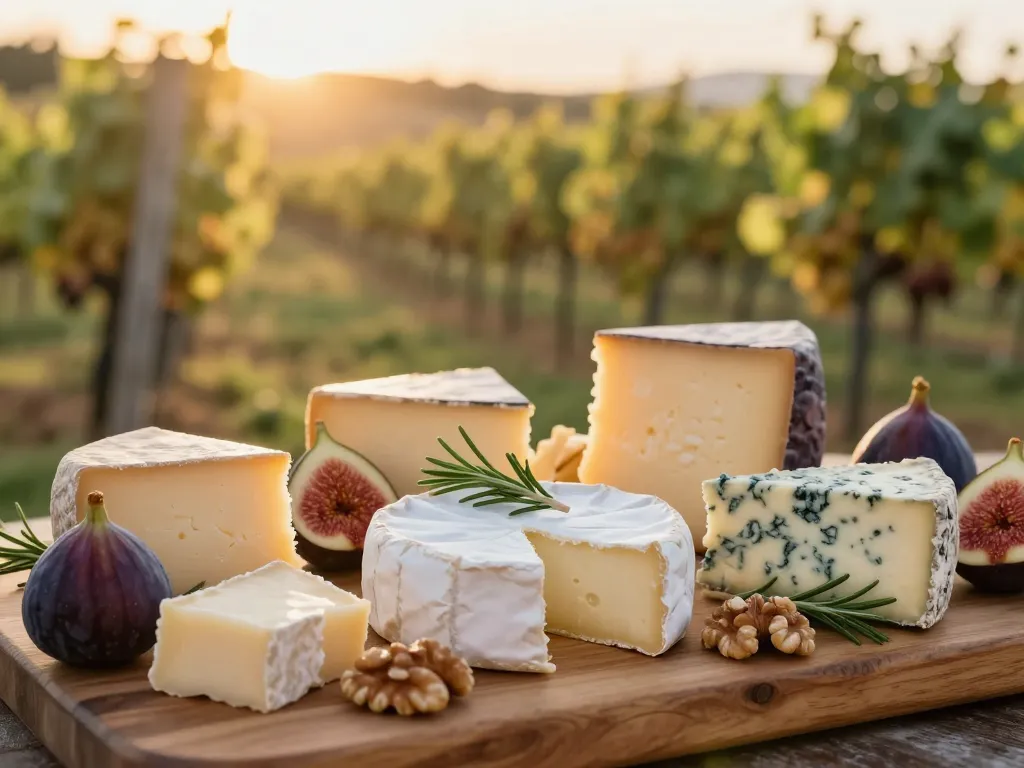
Tempranillo is a versatile wine that pairs beautifully with various cuisines. Its rich flavors complement grilled meats, particularly lamb, and savory dishes like paella. Aged Tempranillo, with its earthy and leathery notes, works well with game meats, rich stews, and aged cheeses. For lighter styles, consider pairing with salads topped with goat cheese or grilled vegetables. The adaptability of Tempranillo allows it to suit both casual and elegant meals, enhancing the dining experience.
Serving Temperature and Glass Type
To fully appreciate the flavors of Tempranillo, it should be served at a slightly cooler temperature than usual red wines, around 60-65°F (15-18°C). Using a larger bowl glass helps to aerate the wine, allowing the aromas to blossom. This enhances the tasting experience, as swirling the glass allows the complex aspects of the wine to rise, presenting its full profile to the drinker. For premium bottles, consider decanting the wine to further open up its character before serving.
Enhancing Tasting Experiences
To maximize the enjoyment of Tempranillo, consider organizing a tasting event that features a variety of Tempranillo wines from different regions. This approach highlights the diversity of the varietal and engages participants in exploring the unique nuances each bottle offers. Complement the tasting with curated food pairings that reflect the characteristics of the wines. Such experiences not only enhance appreciation but also foster a deeper understanding of this remarkable grape.
FAQs about Tempranillo
What makes Tempranillo unique?
Tempranillo's uniqueness lies in its versatility, depth of flavors, and regional expressions. It offers a balance of fruitiness and earthiness, making it a dynamic choice for various wine styles.
How should I store Tempranillo wines?
Store Tempranillo in a cool, dark place, ideally at 55°F (13°C), with humidity around 70%. Position bottles horizontally to keep corks moist and prevent oxidation.
What foods pair well with Tempranillo?
Tempranillo pairs well with grilled meats, hearty stews, and aged cheeses. It complements Spanish cuisine like tapas, paella, and charcuterie boards beautifully.
How is Tempranillo produced?
Tempranillo production involves harvesting, crushing, fermenting, aging, and bottling. Winemakers select techniques based on desired flavors, from stainless steel to oak barrels.
What are the best regions for Tempranillo?
The best regions include La Rioja, Ribera del Duero, and Navarra in Spain. These regions provide ideal soil and climate conditions for growing high-quality Tempranillo.