
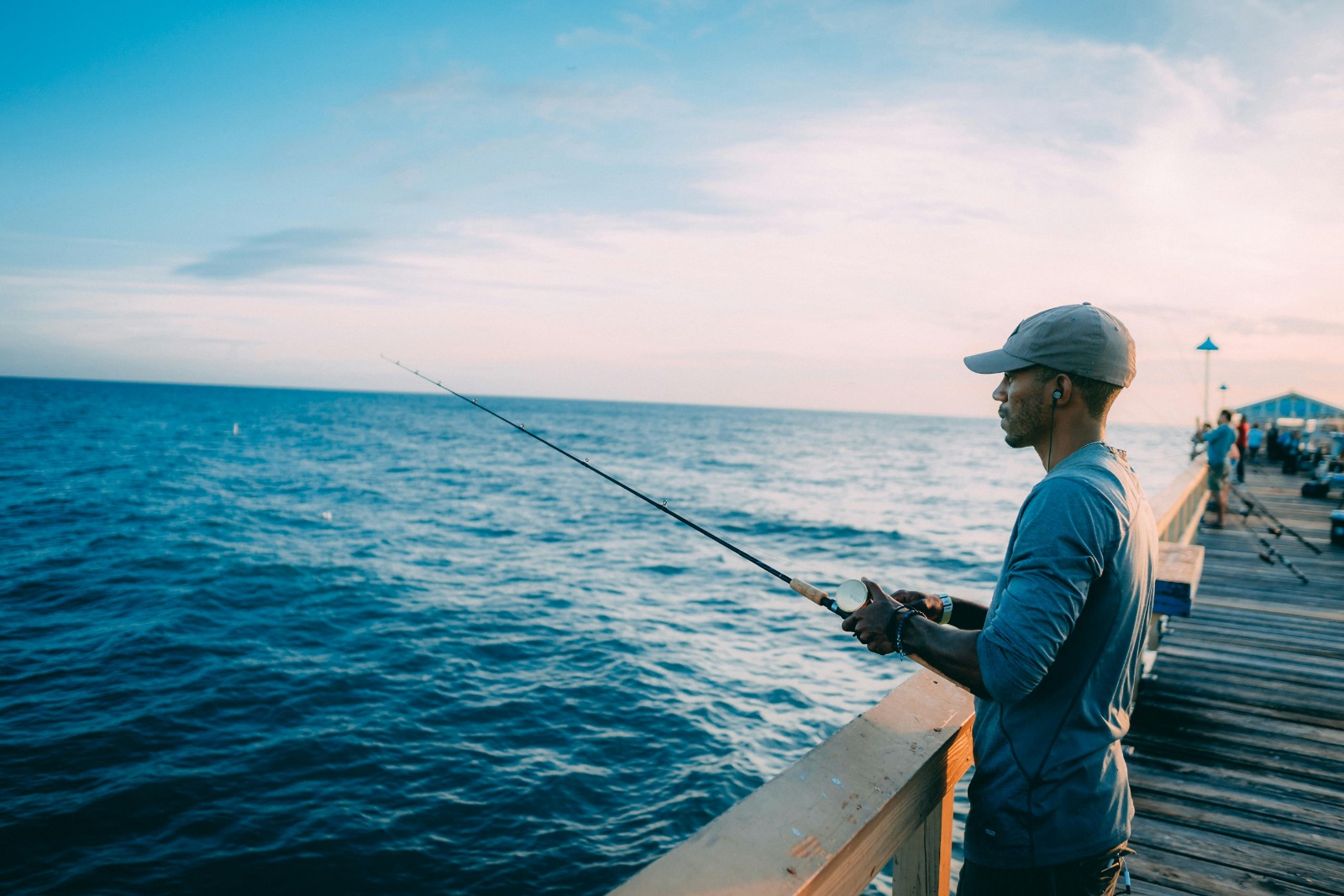
When it comes to enjoying a day on the river or exploring remote fishing spots, having the right gear is essential. One piece of equipment that often gets overlooked is the Fly fishing bag, a versatile companion that keeps your tackle organized, accessible, and protected. Whether you’re a beginner just starting to explore the sport or a seasoned angler, choosing the perfect fly fishing bag can make a significant difference in your experience. This guide will walk you through everything you need to know to find a bag that meets your needs, style, and budget.
Why a Fly Fishing Bag is Essential
Organization and Accessibility
A good fly fishing bag allows anglers to keep their flies, tippets, leaders, and other essentials organized and easy to access. Imagine spending hours wading in a river only to fumble through a disorganized bag. Proper compartments, waterproof sections, and dedicated fly boxes ensure you spend more time fishing and less time searching for gear.
Comfort and Portability
Fishing often involves hiking to remote streams or standing in rivers for extended periods. A well-designed fly fishing bag distributes weight evenly, reduces strain on your back and shoulders, and provides easy access while on the move. Adjustable straps, padded backs, and lightweight materials are key features to consider.
Protection for Your Gear
Water, dirt, and accidental drops can damage your fishing essentials. Many fly fishing bags offer water-resistant fabrics, reinforced bottoms, and secure closures to safeguard delicate items like reels, lines, and electronic devices. For pros who invest in high-quality gear, this protection is invaluable.
Types of Fly Fishing Bags
Backpack-Style Bags
Backpack fly fishing bags are ideal for anglers who need to carry substantial gear on longer trips. They typically offer multiple compartments, hydration compatibility, and ergonomic designs. For beginners, backpacks are excellent because they allow hands-free movement while wading or hiking.
Sling Bags
Sling bags are versatile and provide quick access to your gear. Designed to be worn across the chest or back, they allow anglers to rotate the bag to the front for easy reach. Sling bags are lightweight and ideal for day trips, making them perfect for both beginners and experienced anglers seeking convenience.
Chest Packs
Chest packs are compact and worn close to the body, offering easy access to essential tools without the need to remove your bag. These are particularly useful for wade fishing, where you want to minimize water exposure while keeping gear within arm’s reach.
Waist Packs
Waist packs are smaller bags that attach around the waist, perfect for minimalists or those fishing in tight spaces. They are less cumbersome than backpacks and are great for short trips, small rivers, or streams.
Key Features to Look for in a Fly Fishing Bag
Durability
Look for bags made from high-quality materials such as ripstop nylon, Cordura, or waterproof fabrics. Reinforced stitching and durable zippers extend the life of your bag, ensuring it withstands rugged outdoor conditions.
Storage and Organization
A functional fly fishing bag should have dedicated compartments for flies, tippet spools, leaders, tools, and personal items. Some bags also include removable boxes, mesh pockets, and external attachment points for accessories.
Comfort and Fit
Adjustable shoulder straps, padded backs, and lightweight designs enhance comfort during long fishing trips. For backpacks, consider ventilation features to prevent overheating and back sweat.
Water Resistance
Even if you’re fishing in shallow water, a water-resistant bag can protect your gear from unexpected splashes, rain, or river spray. Fully waterproof bags are recommended for wading in deeper waters or during heavy rainfall.
Accessibility
Quick-access compartments and easy-to-open zippers save time when you need to change flies or adjust gear mid-cast. Look for bags that allow you to reach essentials without removing the bag entirely.
Top Picks for Fly Fishing Bags
1. Orvis Clearwater Backpack
Known for its rugged durability and thoughtful design, the Orvis Clearwater Backpack offers multiple compartments, padded straps, and a water-resistant exterior. It’s perfect for long hikes and full-day fishing excursions.
2. Simms Freestone Sling Pack
The Simms Freestone Sling Pack combines compact size with exceptional accessibility. Its ergonomic design makes it easy to swing the bag to your front while fishing, and its waterproof compartments keep gear dry.
3. Umpqua ZS Tiers Pack
A favorite among pros, the Umpqua ZS Tiers Pack excels in organization. Multiple fly boxes, tippet storage, and tool compartments make it an ideal choice for anglers who like to carry a comprehensive selection of gear.
4. Fishpond Nomad Shoulder Pack
This bag is lightweight, versatile, and water-resistant. Its modular design allows customization, making it suitable for both beginners who need simplicity and seasoned anglers who demand more storage.
Tips for Choosing the Right Fly Fishing Bag
Assess Your Fishing Style
Consider whether you’ll mostly wade in rivers, hike to remote streams, or fish from the bank. Your fishing style will dictate the size, weight, and type of bag that suits you best.
Evaluate Storage Needs
Determine how much gear you typically carry. Beginners may need only a few flies and basic tools, while pros often require multiple fly boxes, leaders, and tools.
Prioritize Comfort
Test straps, padding, and overall weight distribution. A bag that is comfortable during long hours on the water can significantly enhance your fishing experience.
Check Durability and Water Resistance
Invest in a bag that will last several seasons. High-quality materials and water-resistant features are essential for protecting your investment.
Consider Budget
While top-tier fly fishing bags can be expensive, they offer superior durability and features. Beginners may opt for mid-range options that balance quality with affordability.
Maintaining Your Fly Fishing Bag
Regular Cleaning
Rinse your bag with fresh water after each trip to remove dirt, sand, and fish residues. Avoid harsh detergents that may damage waterproof coatings.
Dry Properly
Always air-dry your bag in a shaded area to prevent mold and mildew. Avoid direct sunlight for extended periods, as it can degrade fabric and zippers.
Inspect for Wear and Tear
Regularly check straps, seams, and zippers for signs of wear. Early maintenance can extend the life of your bag and prevent gear loss.
Conclusion
Selecting the perfect fly fishing bag is more than just a purchase; it’s an investment in your fishing experience. From organization and accessibility to comfort and durability, the right bag can transform a routine fishing trip into a seamless and enjoyable adventure. Whether you’re a beginner just starting out or a seasoned pro navigating challenging waters, a quality fly fishing bag ensures that your gear is secure, accessible, and ready for action. Explore the options available, prioritize your needs, and choose a bag that enhances every moment spent on the water. Your ideal fly fishing experience starts with the perfect companion by your side.